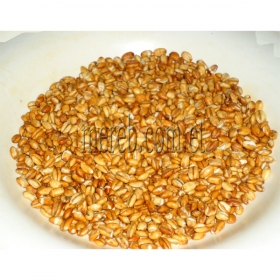
Who doesn’t like drinking coffee? Even though I believe there will be someone out there who doesn’t appreciate coffee, I totally agree because I was not a coffee person before. I started drinking coffee after I got hired to my current job Advent Health as a clinical associate (CNA), it was a good addition to my potential to help clients throughout my end shift.
As I was born and grown up in the country that really appreciates coffee and enjoys the ceremony, it is like, unusual. Coffee in Ethiopia is more than drinking. Coffee is a one way of making friends, get-together, and people raise different recent controversial issues, and exchange knowledge. The coffee ceremony is a special way to spend quality time with friends and family.

The coffee process is started by women, it will be washed until the coffee beans get cleaned and the water has to change its color. Then the beans are roasted on the open fire and also the women shake the beans in order to roast the beans in equal degree burn, while shaking the coffee they will walk around the people to let the coffee aroma to fill out the room.
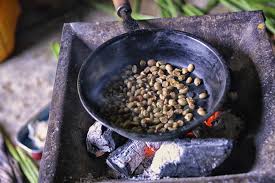

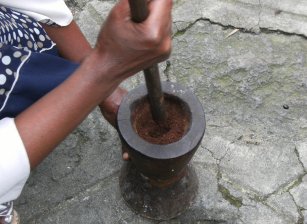
In the next step, the coffee is placed in “mukecha” grinder to make it powder, after that the powder will go to “Jebena” cultural coffee maker, the coffee jebena will be set on the open fire to brew. Once it is brewed, the coffee will be poured in small cups called “si-ni” and served to the guest or if it is in restaurant to customers. The ceremony has three parts, first round which is “Abole”, second round “huletegna”, and the third round and the last one is called “bereka”. In order to do the second and third rounds it is not necessary to roast and grind more beans, there is left coffee powder for that purpose.
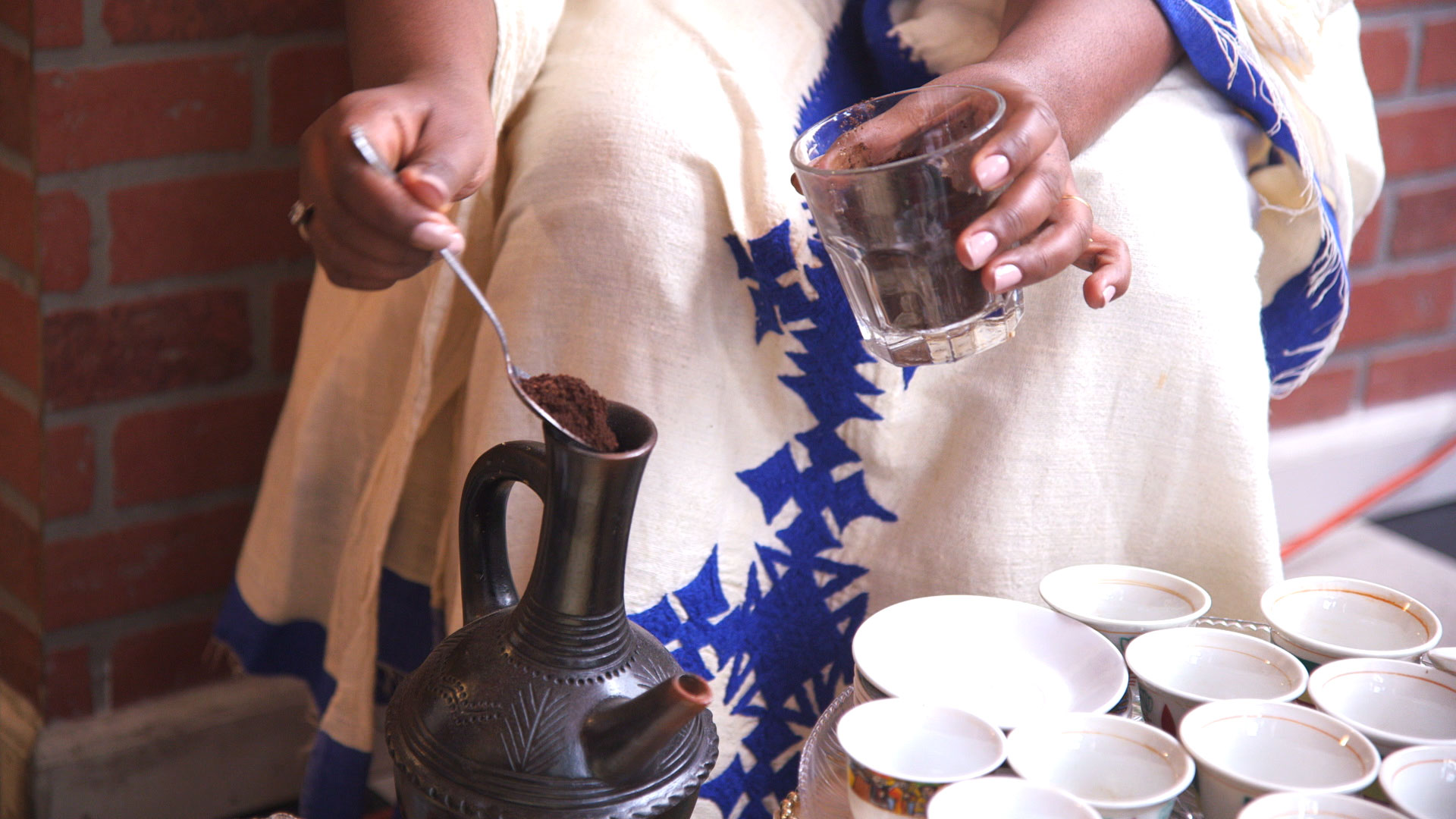
In conclusion coffee can be brewed in different ways but attending the Ethiopian coffee ceremony gives extra look other than just drinking coffee. The coffee ceremony process is started by the women, it has three different parts, and people use coffee as ways of communication, to visit family and friends. Depending on the situation and personal interest people add traditional snacks, for example , combination of barley, organic chickpea, wheat, whole grains, legumes tossed together, popcorn and roasted over a clay griddle.