Childhood memory

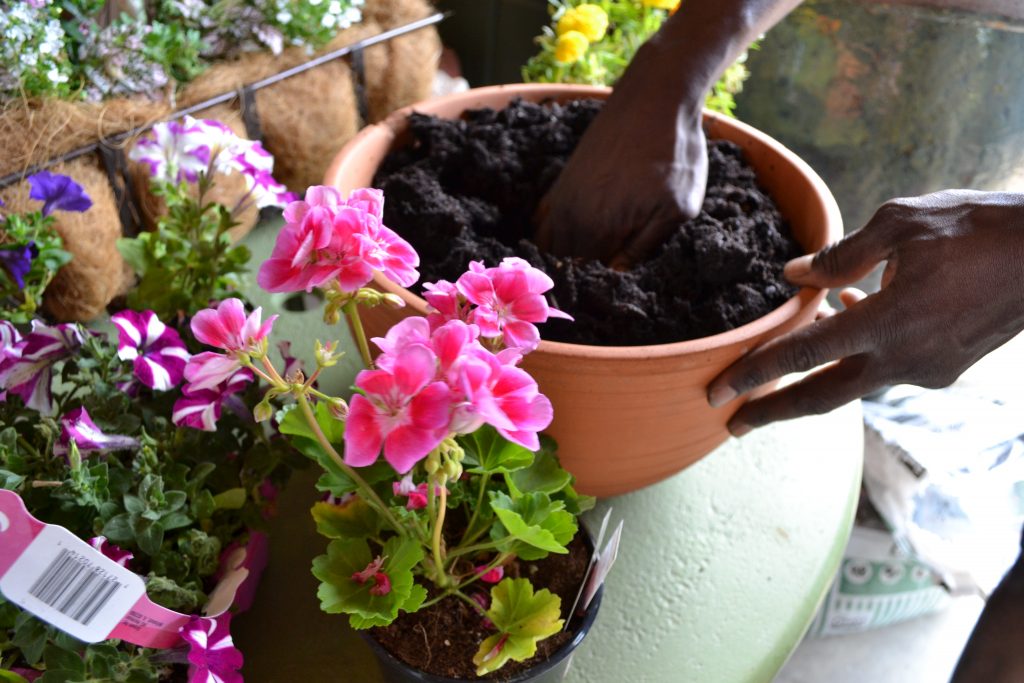
I remember back in elementary school. I was very passionate in many things. Among those planting and gardening is one of the top.  I like looking at the growth of flowers, Tomatoes fruit, papaya, and all other vegetables. Most my planting steps are preparing a container to hold the soil and to grow the seed the seeds and plants that is already grown. In that moment I have to make holes not only one hole, but I made two holes, three holes and around the last hole, it was so hard that I had to do it roughly and immediately the knife jumped up and went in to my left fool.
   I cried a lot about an hour when my mom got back home, I told her what happened, and she was shocked that there is no bleeding, but only a tiny hole right away she took me to the nearest referral hospital. In emergency room she explained everything about  happened to me to the Doctor and the ED Nurse, then I got prescribed a one time injection, which was protecting me to not develop Tetanus from the metal. The nurse prepared the materials that she need for the procedure then I was afraid. By the time she shot the needle to my body, all I remembered was crying, screaming, and asking my mom to take me out of the unit and telling her that “the nurse is killing me! Period”. I feel like hundred percent sure about that I was about to die and the fact I said “ she is killing me” made me even more sure because that needle that passed through my tiny body made me like I grabbed an electric current my mom felt so sad that I have been through a lot just because of first and one time injection. Still not  sure if I was injected in the right spot because sometimes I feel sharp pain in my bottom. I hope she didn’t give me the medication in the wrong spot like on my sciatic nerve. If it was, I wouldn’t be walking at all. My very first medical injection and   the most unforgettable memory of my childhood.
Fasika( Easter)

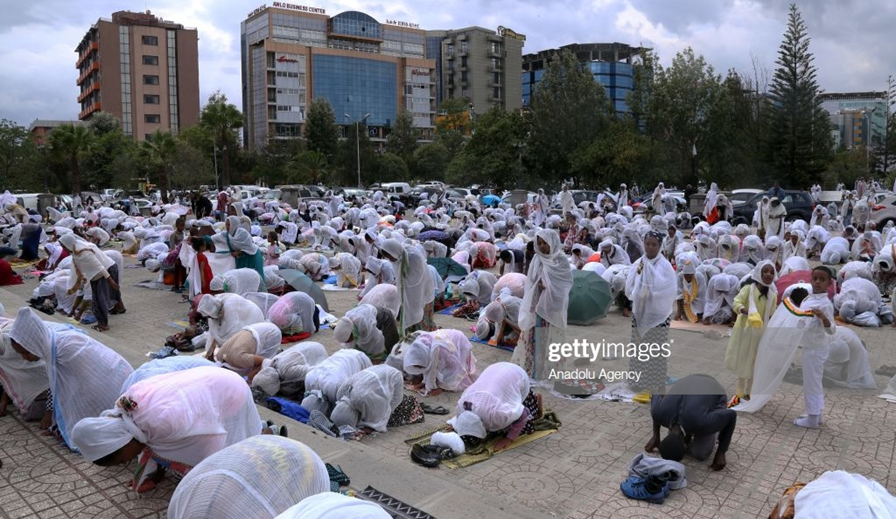
                        Every country has it is own ways of celebrating holidays. Some countries go beyond and above.  Easter is one of major holiday that is celebrating in religious wise, different countries celebrate Easter according to their culture. Easter for Ethiopians is just not like any other holiday, it has its unique ways of celebration.  In Ethiopia, most holidays are centered on faith, family, and celebrations.  This is also true for “Fasika” (Ethiopian Easter) or “Tinsae” (Resurrection).  Ethiopian Orthodox Christians celebrate Fasika after fasting over 40 days just like Jesus did (Mathew 4:2).

                        How Ethiopian Orthodox Church celebrate Easter differently than other world. The process of the holiday starts ahead of time from being fast eight hours a day for about fifty six days. After completed the fast for the required days on the last one holly week

  1. Lent and holly week
  2. Meaning of lent in orthodox church
  3. Value of lent in the eye of believer
  4. How long the lent last
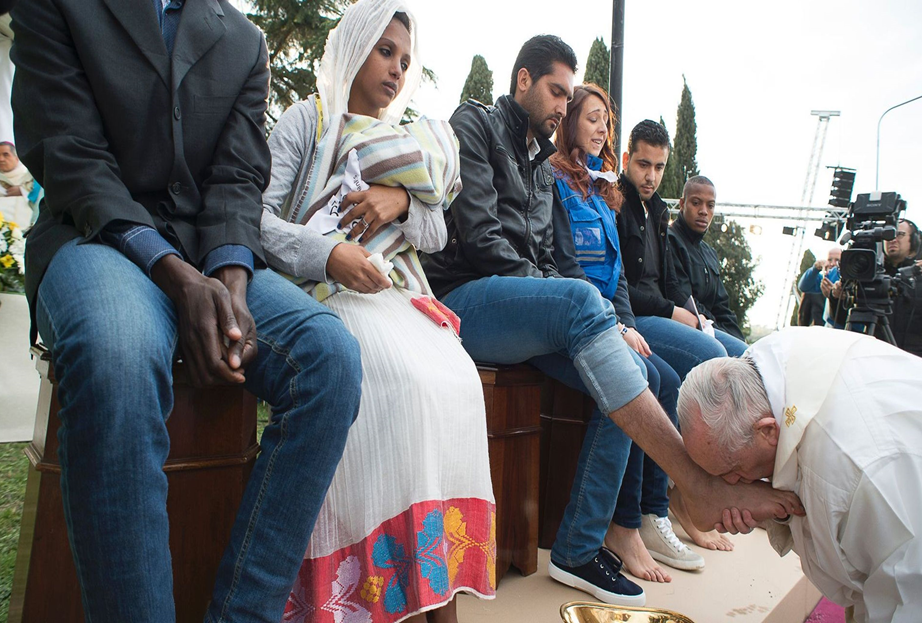
  5. The ceremony of washing feet on Thursday

Who involve in the ceremony

  1. Perform by the priest

       3. Good Friday

             a. Number of people

              b. Staring time

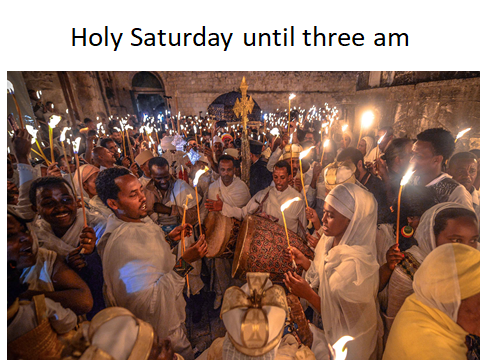
         4. Holy Saturday

                   a. Spiritual songs and dances

           5. Easter

              a. Candle light

               b. The church filled by happiness

           6. Food and clothes

                    a. The cloth material

                    b. The food ingredients

 In conclusion, Easter is a major holiday for Ethiopians, it is a time of faith, family and friends. Fasika is the most important holiday in the Ethiopian Orthodox calendar and follows a long 56-day fast, where no meat or dairy products are consumed. Ethiopian Easter holiday celebration includes, holly week ,the ceremony of washing feet, good Friday, holy Saturday, Easter, and finally good time with loved ones.  

coffee/tradition

Who doesn’t like drinking coffee? Even though I believe there will be someone out there who doesn’t appreciate coffee, I totally agree because I was not a coffee person before. I started drinking coffee after I got hired to my current job Advent Health as a clinical associate (CNA), it was a good addition to my potential to help clients throughout my end shift.

As I was born and grown up in the country that really appreciates coffee and enjoys the ceremony, it is like, unusual. Coffee in Ethiopia is more than drinking. Coffee is a one way of making friends, get-together, and people raise different recent controversial issues, and exchange knowledge. The coffee ceremony is a special way to spend quality time with friends and family.

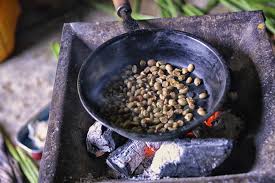
The coffee process is started by women, it will be washed until the coffee beans get cleaned and the water has to change its color. Then the beans are roasted on the open fire and also the women shake the beans in order to roast the beans in equal degree burn, while shaking the coffee they will walk around the people to let the coffee aroma to fill out the room.

Green coffee beans in open fire
The coffee beans start roasting in the open fire and gaves aroma

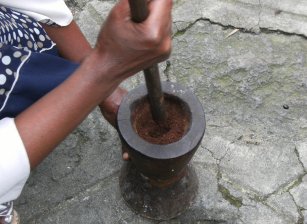
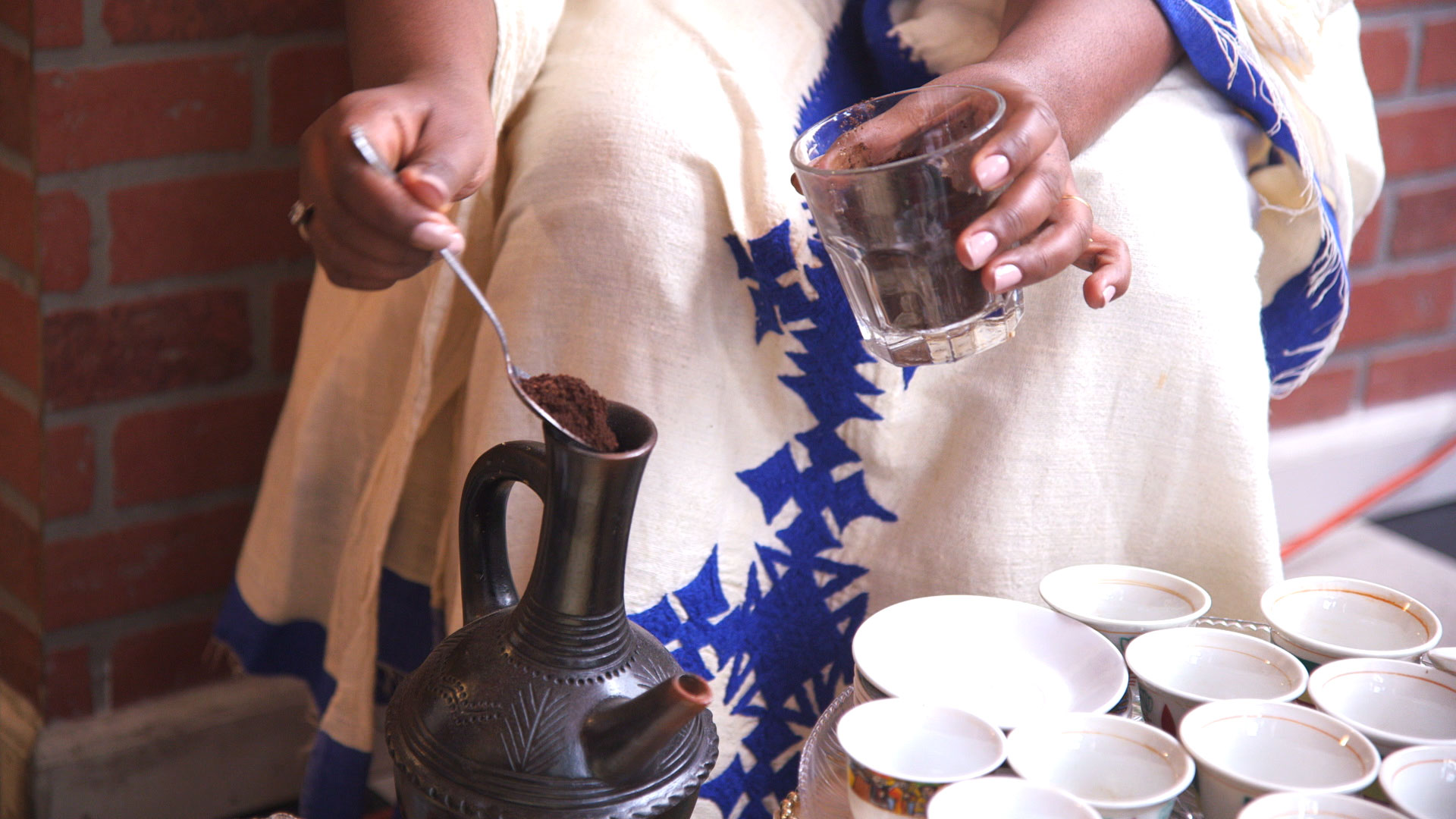
In the next step, the coffee is placed in “mukecha” grinder to make it powder, after that the powder will go to “Jebena” cultural coffee maker, the coffee jebena will be set on the open fire to brew. Once it is brewed, the coffee will be poured in small cups called “si-ni” and served to the guest or if it is in restaurant to customers. The ceremony has three parts, first round which is “Abole”, second round “huletegna”, and the third round and the last one is called “bereka”. In order to do the second and third rounds it is not necessary to roast and grind more beans, there is left coffee powder for that purpose.

“Mukecha” is traditional way of grinding the coffee beans. The bottom is mukecha and the top is “zenezena”. It is made up of metal, it is heavy and it helps to smash the roasted beans to turn them into powder.
Woman placing the coffee powder in to “jebena”

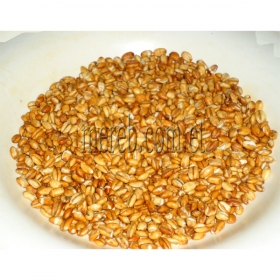
In conclusion coffee can be brewed in different ways but attending the Ethiopian coffee ceremony gives extra look other than just drinking coffee. The coffee ceremony process is started by the women, it has three different parts, and people use coffee as ways of communication, to visit family and friends. Depending on the situation and personal interest people add traditional snacks, for example , combination of barley, organic chickpea, wheat, whole grains, legumes tossed together, popcorn and roasted over a clay griddle.

Organic roasted barley

Meskel/bone fire

            Welcome to my blog when i think of what else that i could share in this blog other than food, one of the Ethiopian major holiday just crosssed my mind. Ethiopia has many riligious holidays in evey year, some of them are Easter in native language fasika, christmas, new year,epiphany (timket), and meskel these are popular holidays.

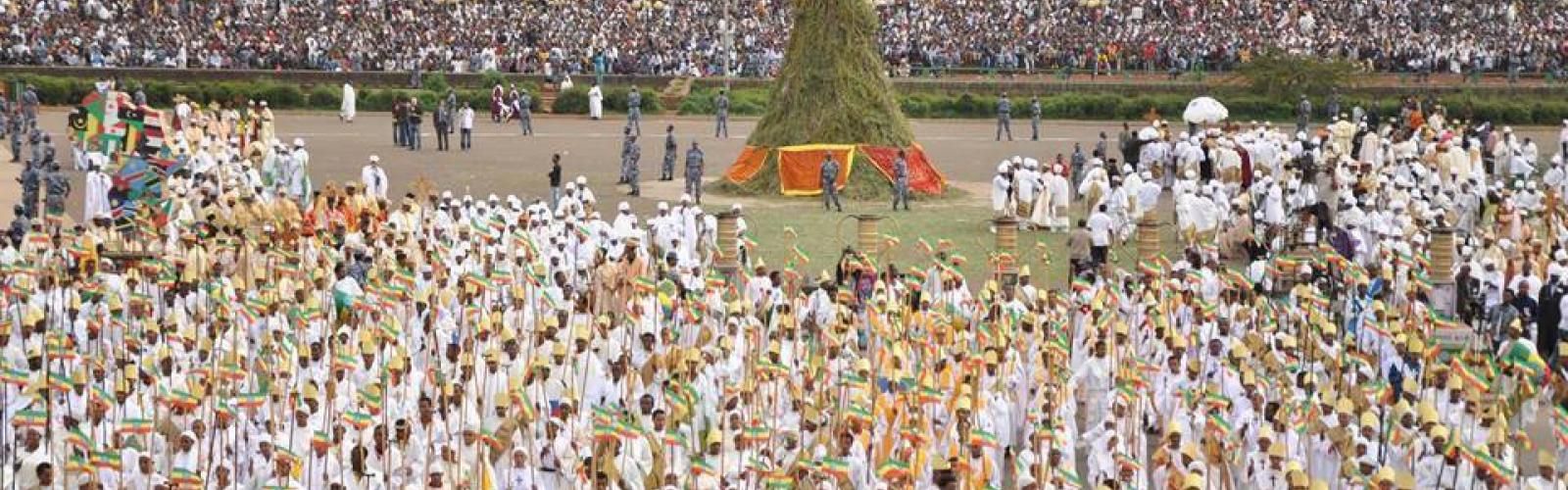
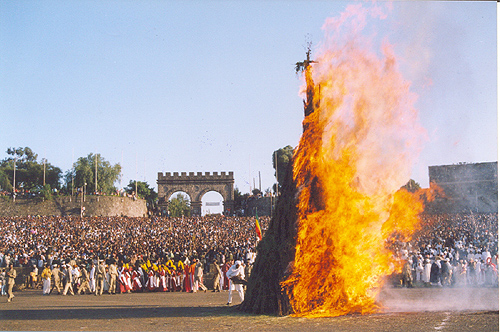
Meskel is the holyday of Ethiopian Orthodox Church followers. All Orthodox Christian followers are celebrating this holyday every year on September 28. The word Meskel is an Ethiopian language word and it means cross. The new Kansas City Kidane Meheret Ethiopian Orthodox Church (EOTC), which is located 741 N 31 street Kansas, Ks 66102, have celebrated on September 28. According to the Ethiopian Orthodox Church, “the discovery of the True Cross is traditionally believed to have been in March, but Meskel was moved to September to avoid holding a festival during lent and because the church commemorating the True Cross in Jerusalem was dedicated during September”. Moreover, the Meskel holyday includes the burning of a massive bonfire and they call it Demera.  They do bonfire on the eve of Meskel. 

          The reason they make a big bonfire as the priste mentioned “based on the belief that Queen Eleni had a revelation in a dream. She was told that she shall make a bonfire and that the smoke would show her where the true cross was buried. So she ordered the people of Jerusalem to bring wood and make a huge pile. After adding frankincense to it the bonfire was lit and the smoke rose high up to the sky and returned to the ground, exactly to the spot where the Cross had been buried”.

Steps to teff to flat bread

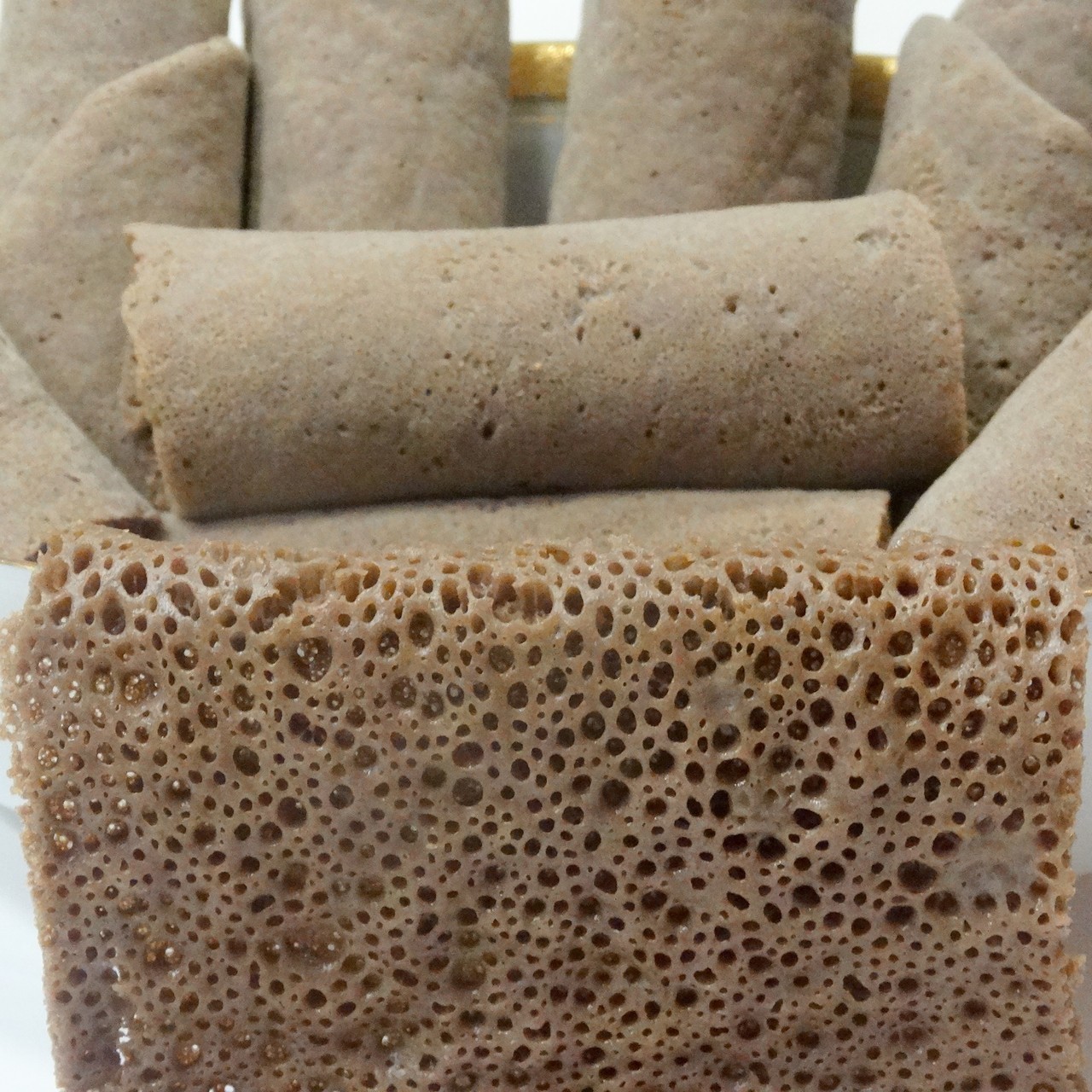
Teff seed can be served as food in so many ways and it can be different place to place. But in Ethiopia, it is served as Injera, which is an old traditional Ethiopian flat bread. The process of turning Teff seed to Injera is time-consuming process. First, the Teff seed will be changed to flour. Then, it will be mixed with water and Ersho, which is the old fermented leftover yeast, and left to ferment and to rise for about two to three days. After that, on the third day, the boiled water is poured over one third the amount to be mixed for a couple of minutes, and then the mixture is stirred, poured in to the pan. Finally, it is ready to serve with meat, egg and with different Ethiopian traditional food.  (Two servings)

Ingredients for making injera

  • 2-3 cups of teff flour
  • 2 cup all-purpose flour optional
  • 1/2 teaspoon salt
  • 5 cups lukewarm water
  • East or in native name ersho as needed

Materials we need to make

  • wide circular pan “mitat”
  • cup to measure the mixture
  • rectangular kitchen towel for cleaning
  • receiver
  • a mixing bowel
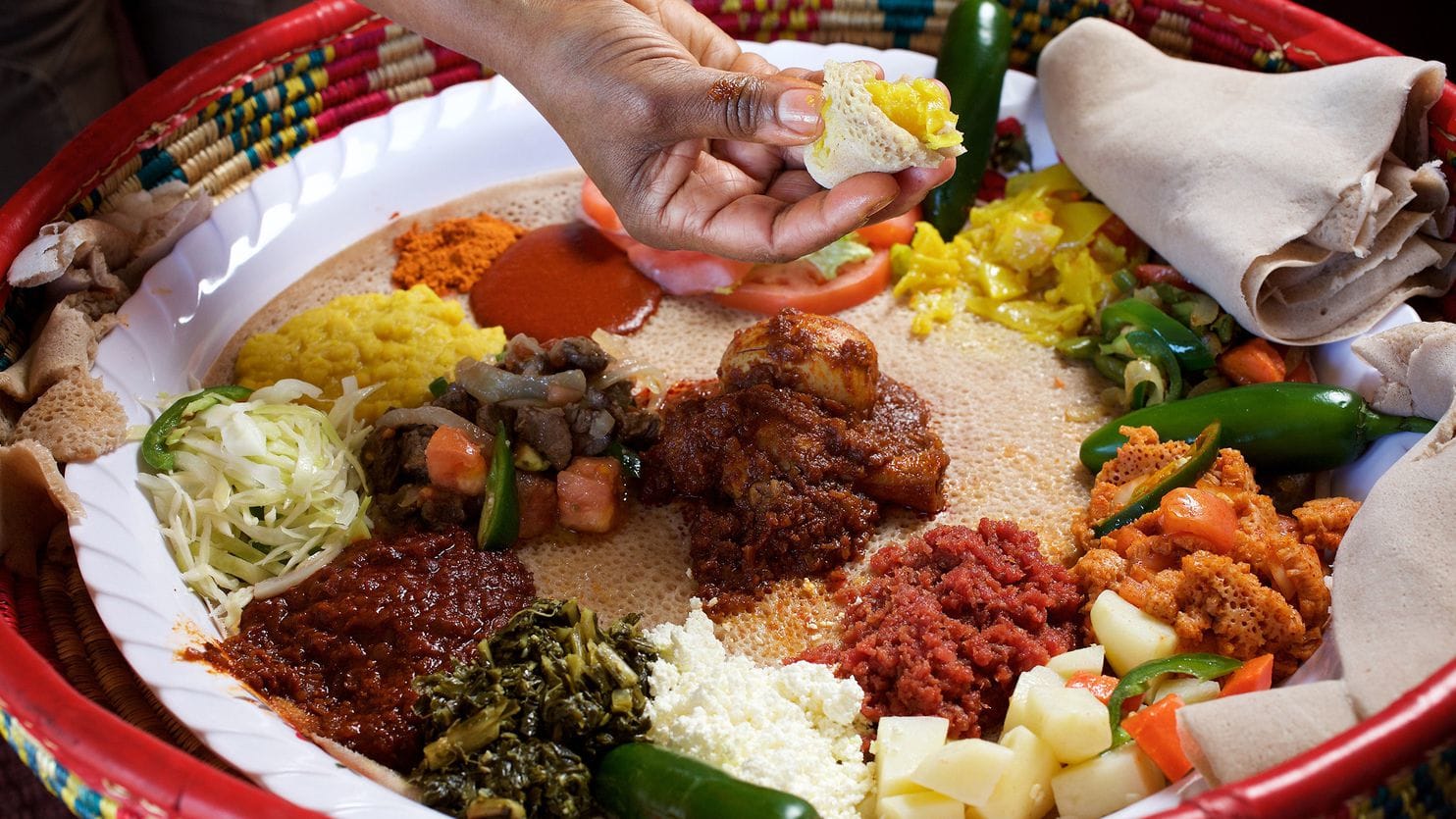
Flat bread “Injera” with Ethiopian traditional vegetable and cooked beef food. these has multiple food , raw grounded beef meat ” kitfo”, lentils, potatoes, doro wet, coral green, cabages,homemade cheese, jalapenos, and hot spices.

Teff

Teff

Teff is a very tiny seed that is around 1mm in diameter that is originally found in Ethiopia. Teff is a gluten-free grain, and it was not very well-known around the world, but it has been the main food source of Ethiopian people for a very long time. Because of lack of information and lack of technological advancement, Teff has not been recognized as food for most countries. However, according to Ethiopian Development Research Institute (EDRI), over the past decade, the recognition that Teff is gluten-free has raised global interest. Consequently, literature on the nutritional composition, processing quality, and health benefits of Teff   have grown considerably. Unfortunately, Teff has been a domestic crop and it is found in east Africa Ethiopia. Especially, the northern part of Ethiopia, they had been using Teff as the main food for decades before the birth of Christ. But nowadays, Europe and American also started to cultivate Teff.

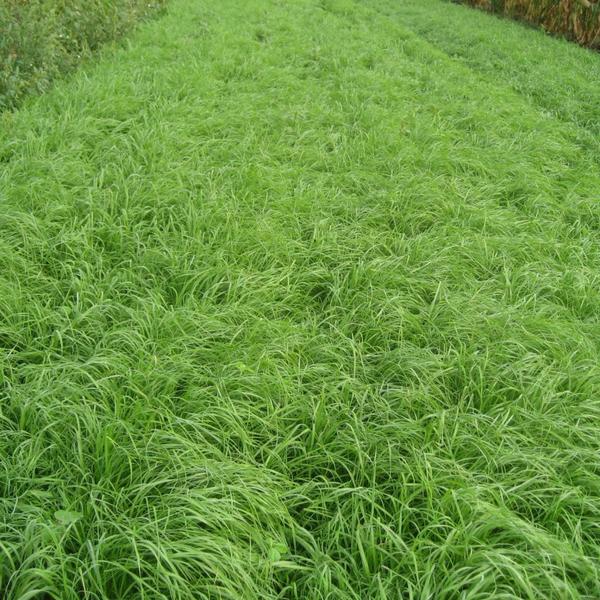
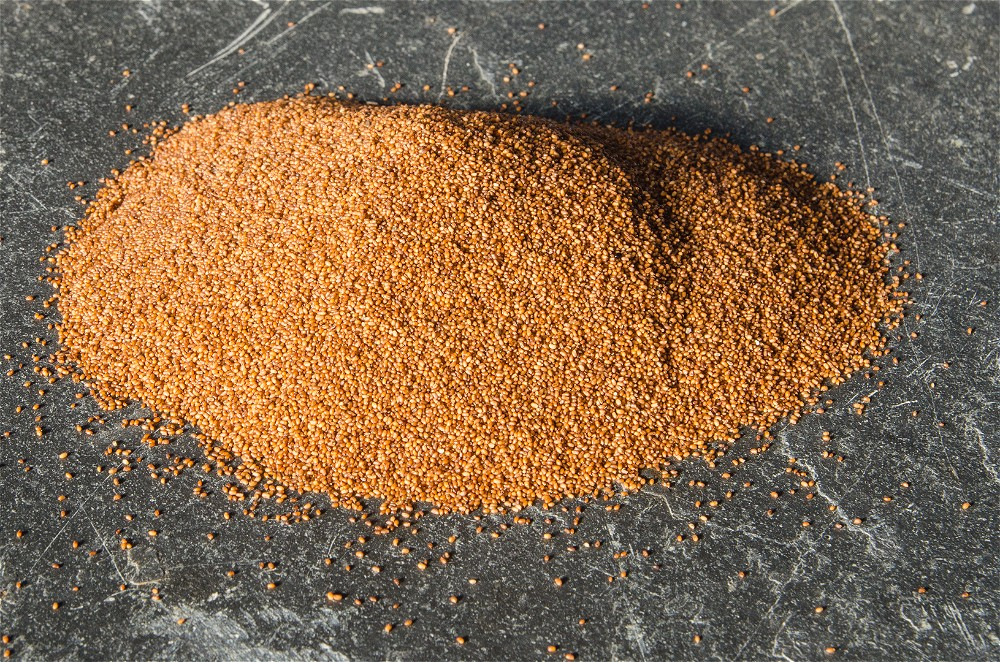
Teff grass seed

Even though, Teff is not well known around the world, currently FDA approved as   one of the best cereal grains seed. It is a very good source of iron, calcium, carbohydrates, and protein. In addition, it is very rich in unsaturated fatty acid, and it is a rare grain that is naturally gluten free.  It is also a good source of fiber compared to wheat and rice. When it comes to mineral content, Teff includes a variety. One variety of Teff, red, is rich in iron and calcium. Therefore, including Teff grain in a diet is very beneficial for our health.

In addition, Teff has other health benefits. Women in childbearing age and infants are most likely affected by iron deficiency. Researches indicated that “Teff can be a good alternative source of iron, by consuming approximately 200 g of Teff, it is possibly cover 42 and 81 percent and 72 and 138 percent intake requirements for iron in women and men” (Alaunyte et al.2012). Teff is naturally gluten free grain and can be an option for the people who suffer from Celiac disease. Teff is rich in whole grain, carbohydrates also it can be included in a healthy diet for those who are diabetic. Any cereal high in whole grain can regulate and maintain blood sugar. Another health benefits is that, it very rich in high fiber and protein has the ability to decrease the morning or fast blood sugar. By adding Teff to main dishes helps maintain health.

Generally, Teff is great source of food that is very helpful for human health benefit. it is very rich in carbohydrates, proteins, fats, minerals, and is naturally gluten free.  Most importantly, Teff has a huge role in maintaining and controlling blood glucose levels. The benefit for pregnant women is that Teff in rich iron. In Ethiopia, Teff can be served like tortillas with meat, vegetable and with other Ethiopian traditional food. In America, it can be served in different ways like, cookies, crackers and in cereal mode. Nutritional fact indicates Teff has a healthy benefit and can be used in home in simple way. Teff flour has a potential to be a global for functional food that will promote health and aid disease promotion.

references

Baye, Kaleab. (2014). Teff: Nutrient Composition and Health Benefits.

O’Connor, Anahad. “Is Teff the New Super Grain?” The New York Times, The New York Times, 16 Aug. 2016, well.blogs.nytimes.com/2016/08/16/is-teff-the-new-super-grain/

Taste of Ethiopia

Hi, I am Hiwot! Welcome to my first blog post. I am happy to be part of this blog where I could share my special cultural food recipes, clothes, music, and art about Ethiopia and other countries.

First, let me start by introducing myself. My name is Hiwot Alemu. I am originally from East Africa, Ethiopia. I have been here since 2013. I am married and proud mother for my two kids. 

Today I would like to share with you about the history of Ethiopia. Ethiopia is located in the Horn of Africa and bordered by Eritrea, Djibouti, Kenya and Somali.

 The capital city is Addis Ababa, in native language or the English meaning “New Flower”, located almost at the center of the country.

According to BBC News’“Ethiopia Country Profile,” “Ethiopia is Africa’s oldest independent country and it is second largest in terms of population. Apart from a five-year occupation by Mussolini’s Italy, it has never been colonized” (“Ethiopia Country”). 

Ethiopia has a wonderful culture and great people with kind hearts. Living together, sharing and helping each other in need is a must and common way of living each day.

Respecting elders, obeying God and parents are a must to have in order to be called Ethiopian.

Ethiopia is rich in many aspects, one of this those is the cultural food. For today, I would like to share about one of Ethiopian main dishes, Doro wet. 

Doro wet is onion based. It is common in special occasion especially after 56 days of fast before celebrating Easter Holiday. 

My mom taught me how I can cook different dishes at home. We take a couple  of onions,  it is dependent on the amount of Doro wet we want to cook,  garlic cloves, whole chicken, cooking oil,  boiled hard egg, hot water and berbere.  

Doro wat

        Ingredients

1-    5-6 large  onion

2-    5 to 6 large spoon of berbere 

3-    1-2 garlic clove 

4-    6 boiled hard egg

5-    6-10 tablespoon of vegetable oil

6-    Hot water as needed

7-    Homemade butter 

How to make Doro wat at home

1-   Gather all the ingredients, in less than minutes 

2-   Start the dish  by taking off the top skin of the  red onion

3-   Put in the food processor 

4-   Start shredding in medium speed 

5-   Once you done, put it in the big pot 

6-   Start cooking the onion in high low heat for two hours until the onion become golden

7-    color in the while use the hot water in between cooking process 

8-   Add berbere and mix it well 

9-   In the other hand while working the pot ,  start preparing the chicken part in a big bowl 

10-Wash the chicken part with lemon to ride off the for a better test 

11-Once you done on both let it be cook together for the rest of 1 hour

12-Finally put the egg on the top, mixt it carefully without damaging the eggs

13-Put homemade butter for better test and smell  

14-And serve it as you want 

Work Cited 

“Ethiopia Country Profile.” BBC News. BBC, 2018, https://www.bbc.com/news/world-africa-13349398